

Yellow Petroleum Jelly
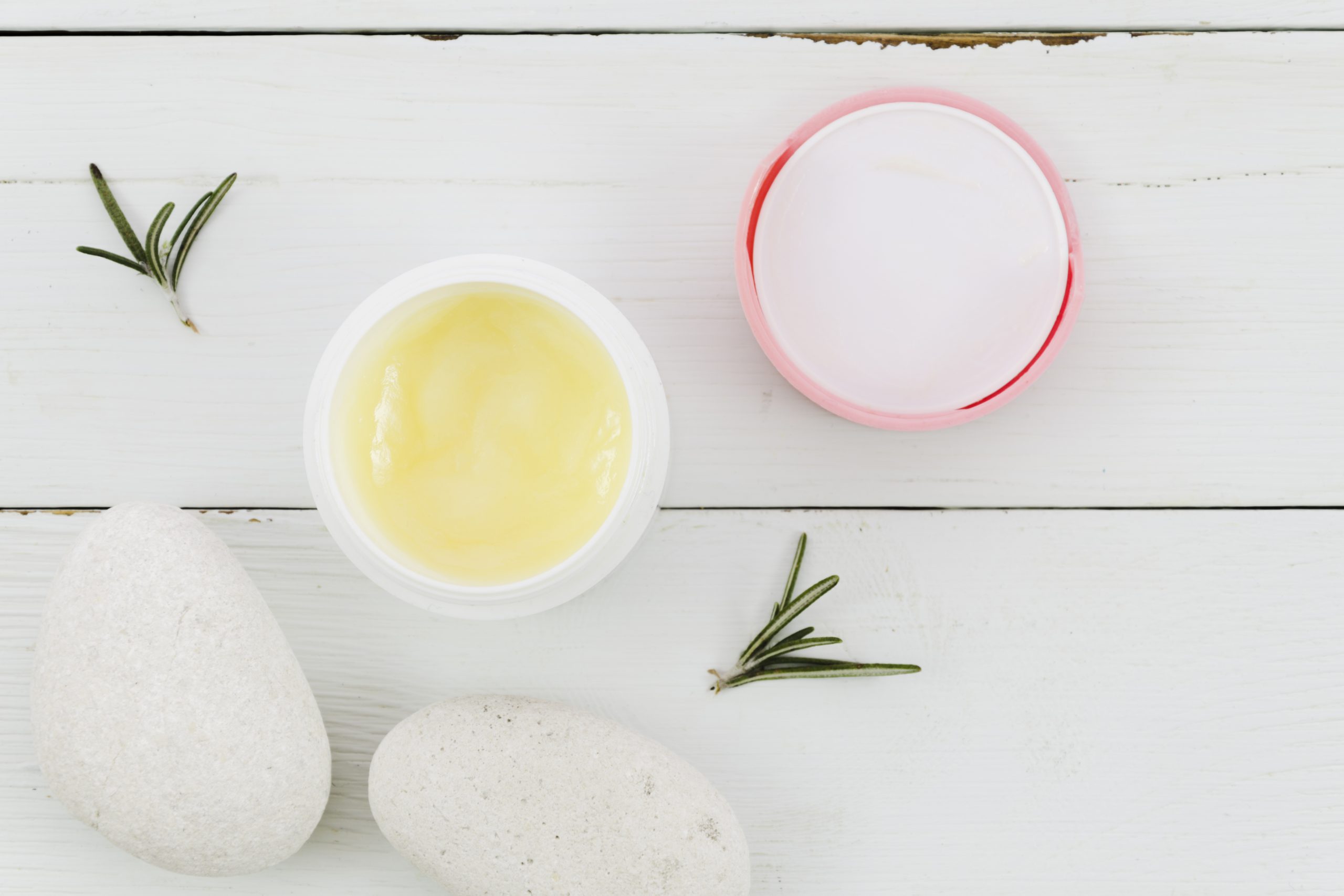
INCI Name: Petrolatum
CAS : 8009-03-8
Petroleum Jelly, also called Petrolatum is a translucent gelatinous substance obtained from petroleum; used as a lubricant and
in medicine as an ointment base and protective dressing. It is an ingredient in many cosmetics and lotions because of its
moisturizing properties. Petroleum Jellies are favored by personal care and pharmaceutical companies as very versatile, safe
and economical formulation base.
Applications
Pharmaceutical & Cosmetic
- Ointment
- Cream
- Skin Care
- Hair Care
- Surface cleansing
- Lubrication
- Moisturize Cream, etc


Specifications
| Sr. No | Tests | Specification |
|---|---|---|
| 1 | Description | Pale yellow, translucent, soft unctuous mass, slightly fluorescent, even melted. |
| 2 | Solubility | Slightly soluble in methylene chloride, practically insoluble in water and ethanol(96 per cent) and in glycerol |
| 3 | Melting range | 38˚to 56˚C |
| 4 | Acidity or alkalinity | NMT 0.1 ml of 0.1M sodium hydroxide is required. |
| 5 | Consistency | 100 to 300 |
| 6 | Sulphated ash | NMT 0.1% |
| 7 | Light absorption | NMT 0.75 at 290nm |
| 8 | Fixed oils, fats and resin | No precipitate or oily matter is produced |
| 9 | Foreign organic matter | Volatilizes when heated, without emitting an acrid odor |
| Sr. No | Tests | Specification |
|---|---|---|
| 1 | Description | Yellow, translucent, unctuous mass, slightly fluorescent, when melted |
| 2 | Solubility | Slightly soluble in methylene chloride, practically insoluble in water and ethanol (96 per cent) and in glycerol |
| 3 | Identification : A. Test | 40˚ to 60˚C Melting range / Drop point |
| Identification : C. Test | Melt 2 g of sample, add 2 ml of water and 0.2 ml of 0.05 M iodine, shake, allow to cool, the solid upper layer is violet-pink or brown | |
| Identification : D. Test | Complies Appearance Test | |
| 4 | Appearance | The substance is yellow and the melted mass is not more intensely coloured than a mixture of 7.6 volume of yellow primary solution and 2.4 volumes of red primary solution |
| 5 | Acidity or alkalinity | NMT 0.5 ml of 0.01M sodium hydroxide is required. |
| 6 | Consistency | 100 to 300 |
| 7 | Polycyclic aromatic hydrocarbons | At the no wavelength in the range 260 nm to 420 nm does the absorbance of the test solution exceed that of the reference solution at 278 nm |
| 8 | Sulphated ash | NMT 0.05% |
| Sr. No | Tests | Specification |
|---|---|---|
| 1 | Description | Yellow, translucent, unctuous mass, slightly fluorescent in daylight, when melted |
| 2 | Solubility | Slightly soluble in methylene chloride, practically insoluble in water and ethanol (96 per cent) and in glycerol |
| 3 | Identification : A. Test | 40˚ – 60˚C Melting range / Drop point |
| Identification : C. Test | Melt 2 g of sample, add 2 mL of water and 0.2 mL of 0.05 M iodine, shake, allow to cool, the solid upper layer is violet-pink or brown | |
| Identification : D. Test | Complies Appearance Test | |
| 4 | Appearance | The substance is yellow and the melted mass is not more intensely coloured than a mixture of 7.6 volume of yellow primary solution and 2.4 volume of red primary solution |
| 5 | Acidity or alkalinity | Acidity or alkalinity |
| 6 | Consistency | 100 – 300 |
| 7 | Polycyclic aromatic hydrocarbons | At the no wavelength in the range 260 nm to 420 nm does the absorbance of the test solution exceed that of the reference solution at 278 nm |
| 8 | Sulphated ash | Sulphated ash |